 01
01Welding & metalwork / Research · 2026-09-21
Putting metal back where it has worn away
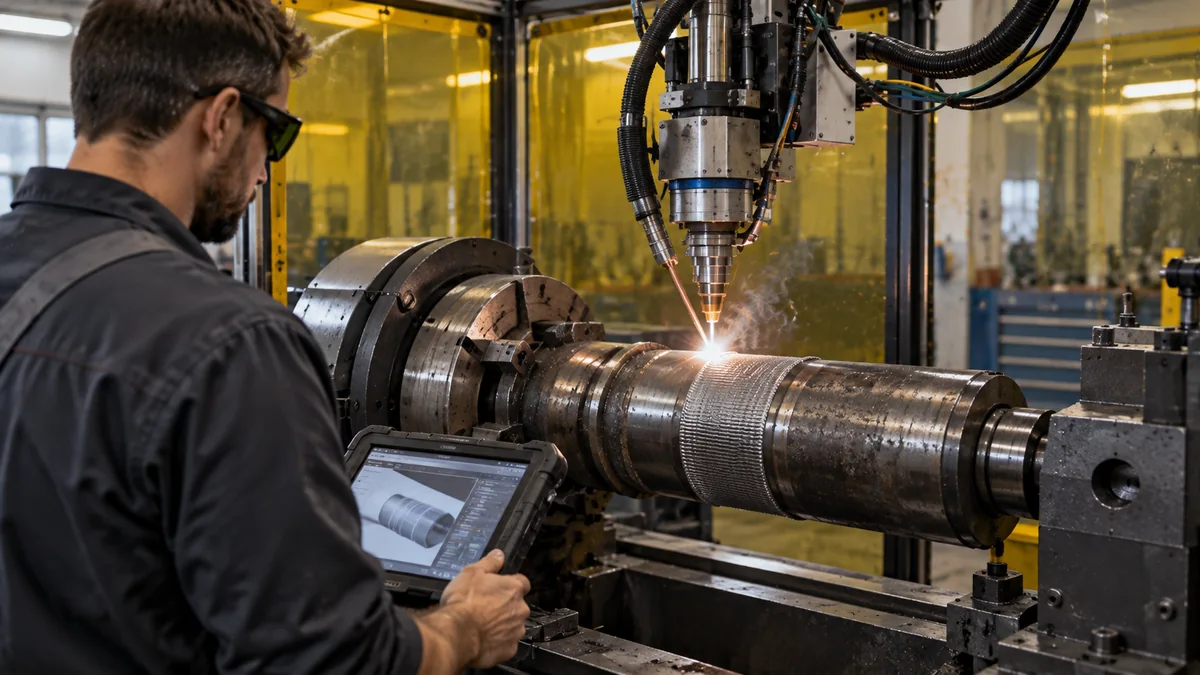
A lighter wire-fed laser head could give repair and additive manufacturing teams more freedom of movement.
Read the storyNew machines. Better materials. Different ways to build and repair. We follow what is changing—and ask what it means for the people doing the job.
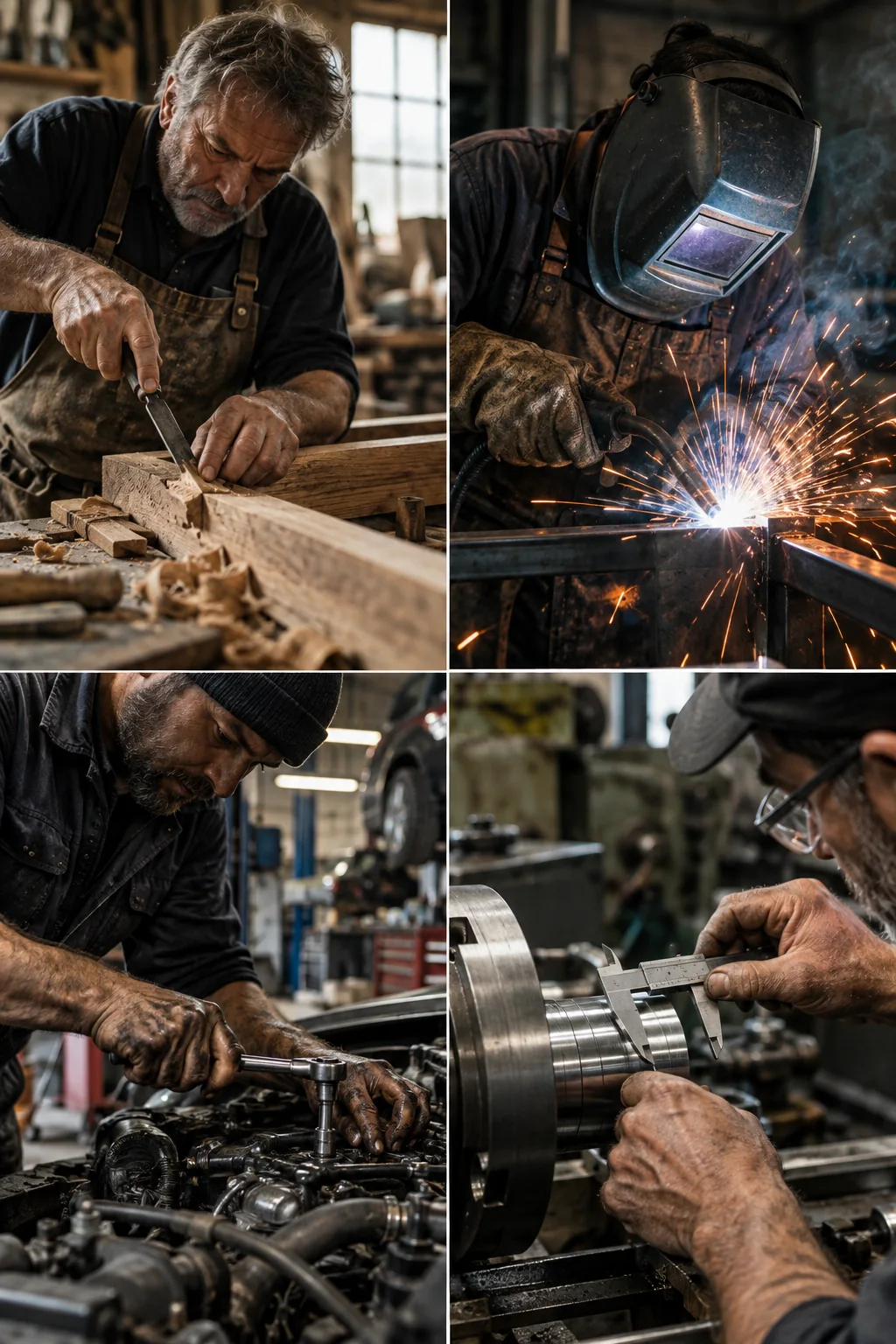 Illustrated workshop scenes · Not documentary photography
Technology is changing the workshop. The intelligence, judgement and responsibility behind good work still deserve to be seen.
WHY DIRTY HANDS EXISTS ↗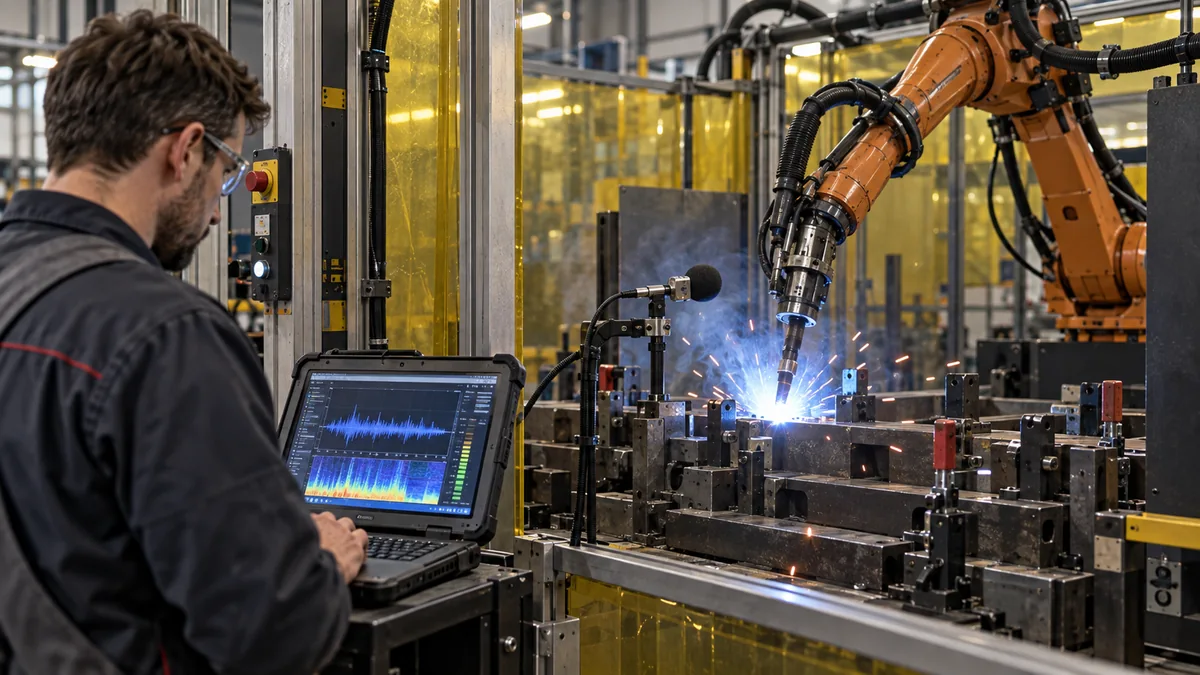 Editorial illustration · AI-generated
Researchers at Fraunhofer IDMT are using the sound of a MAG welding arc to look for process irregularities. The interesting question isn’t whether software can replace a welder. It’s what it might help a production team notice sooner.
Based on Fraunhofer IDMT’s AI-MAG research project. We have not tested the system.
Read the story ↗From a welding bench to a building site, these are the areas we follow. Open a desk to see its published stories.
Arc, laser, automation, machining and the decisions made at the bench.
Browse this desk ↗02 / 2 storiesNew building methods, tested systems and the details behind safe installation.
Browse this desk ↗03 / 2 storiesAlloys, coatings, polymers and material research that might change a job.
Browse this desk ↗04 / 2 storiesPower tools, machines, measuring equipment and buying decisions.
Browse this desk ↗05 / 1 storyDiagnostics, repair methods and questions that matter in a workshop.
Browse this desk ↗06 / 3 storiesWoodwork, electrical, HVAC, restoration and the people behind real work.
Browse this desk ↗Research and practical guides in one place. Original links are included; prototypes are never presented as products already on sale.
14 stories
01A lighter wire-fed laser head could give repair and additive manufacturing teams more freedom of movement.
Read the story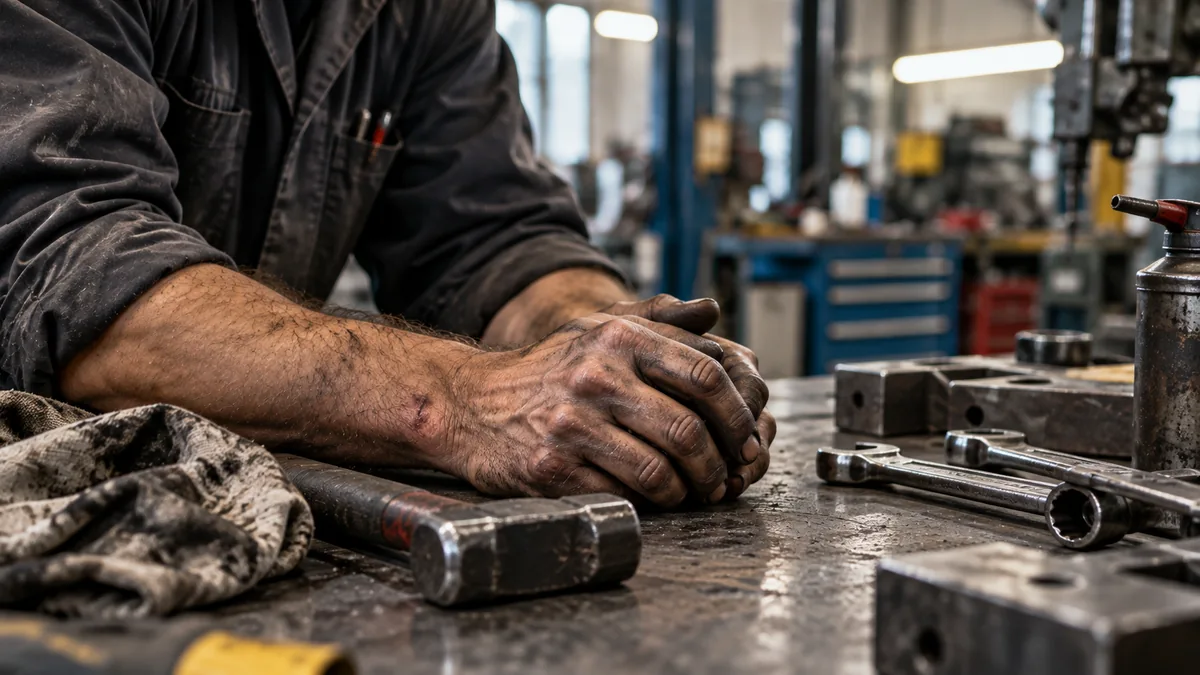 02
02For the people who make, repair and keep things working—and the knowledge most people never see.
Read the story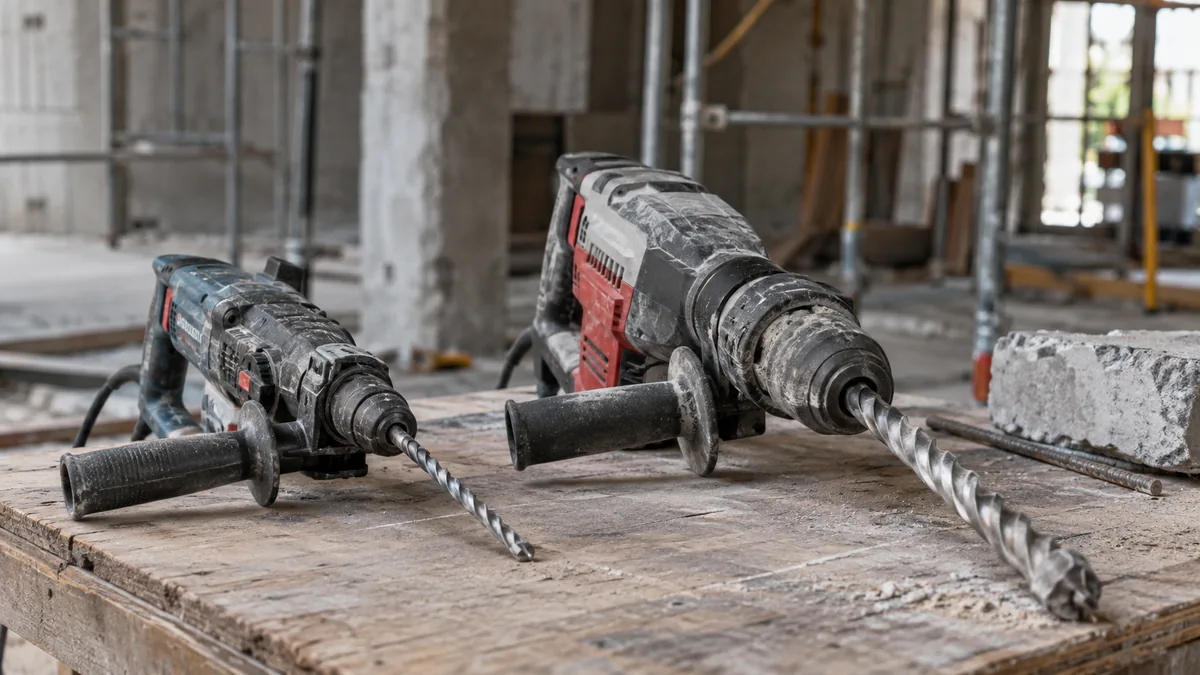 03
03A good repair can look effortless—after the checks, the setbacks and the quiet corrections.
Read the story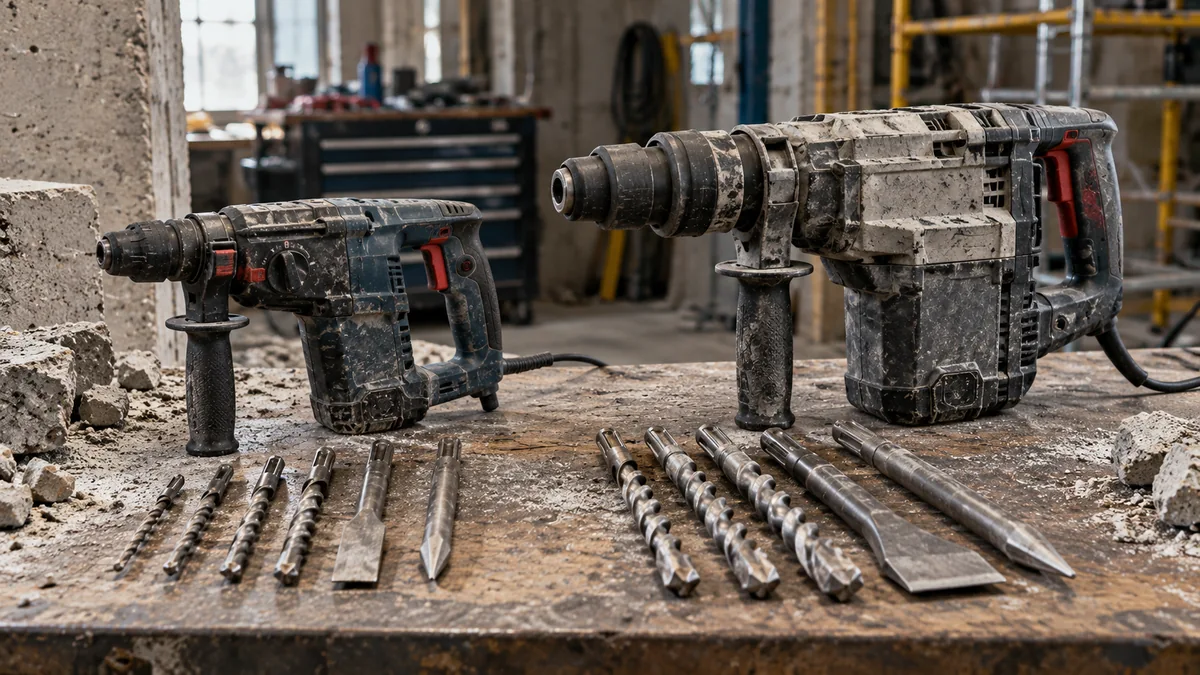 04
04Two different toolholder systems, two typical scales of masonry work. A useful way to select a rotary hammer.
Read the story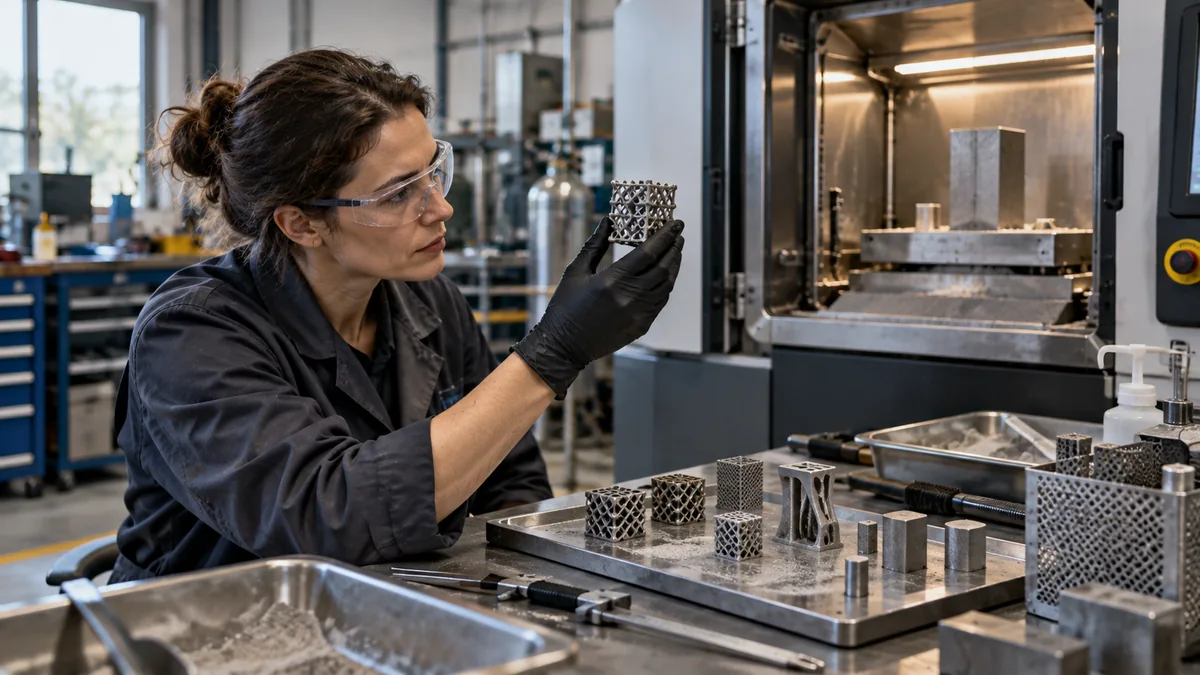 05
05NIST researchers changed the laser path to help difficult metals mix while a part is being printed.
Read the story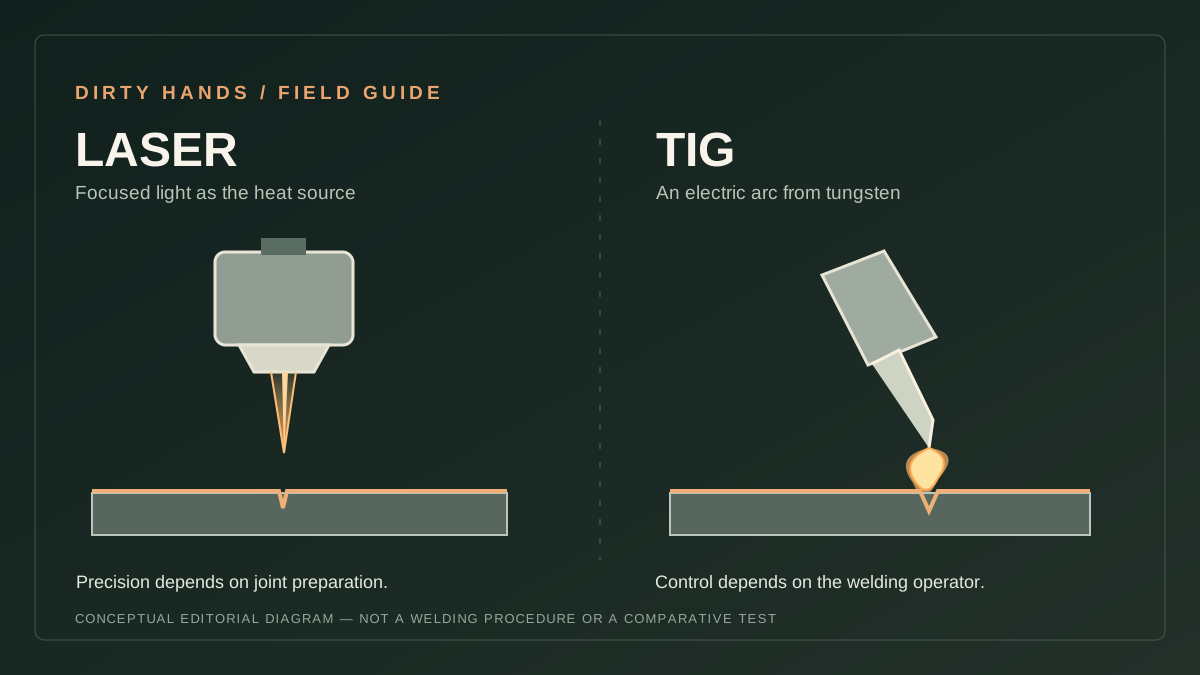 06
06Laser or TIG for your next job? Compare joint fit-up, distortion, filler, safety and the real cost of a finished weld—not just the speed of the torch.
Read the story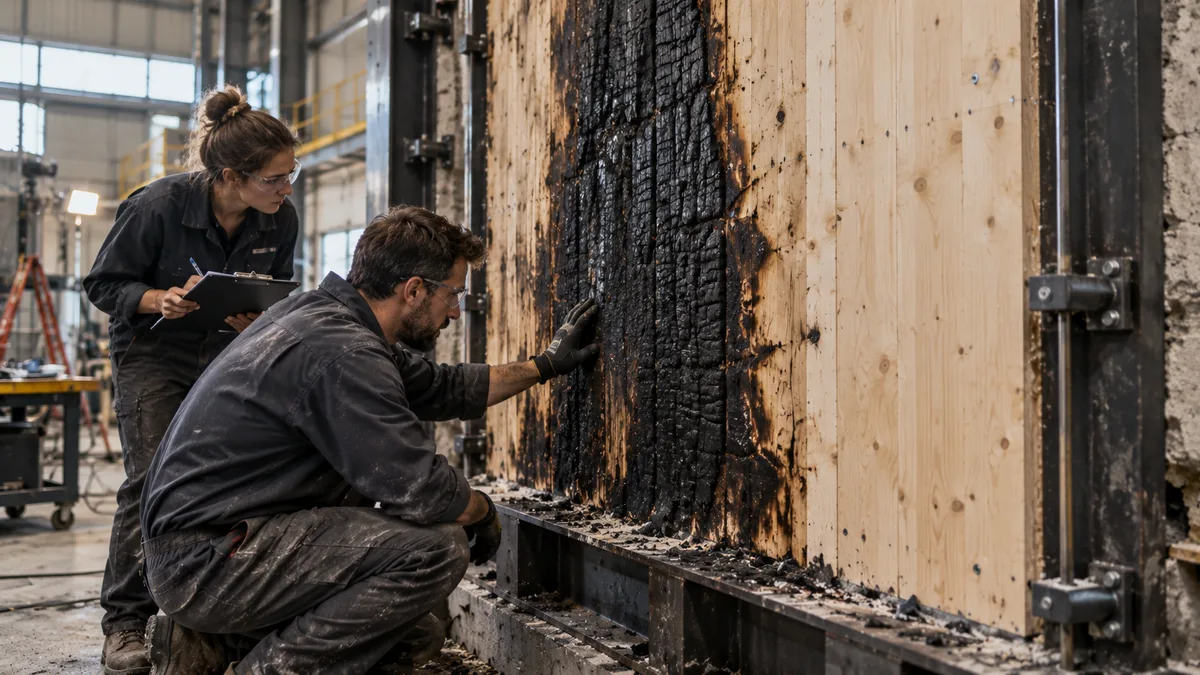 07
07A Fraunhofer research project reported at least 60 minutes of fire resistance for a particular drywall system—not for wood walls in general.
Read the story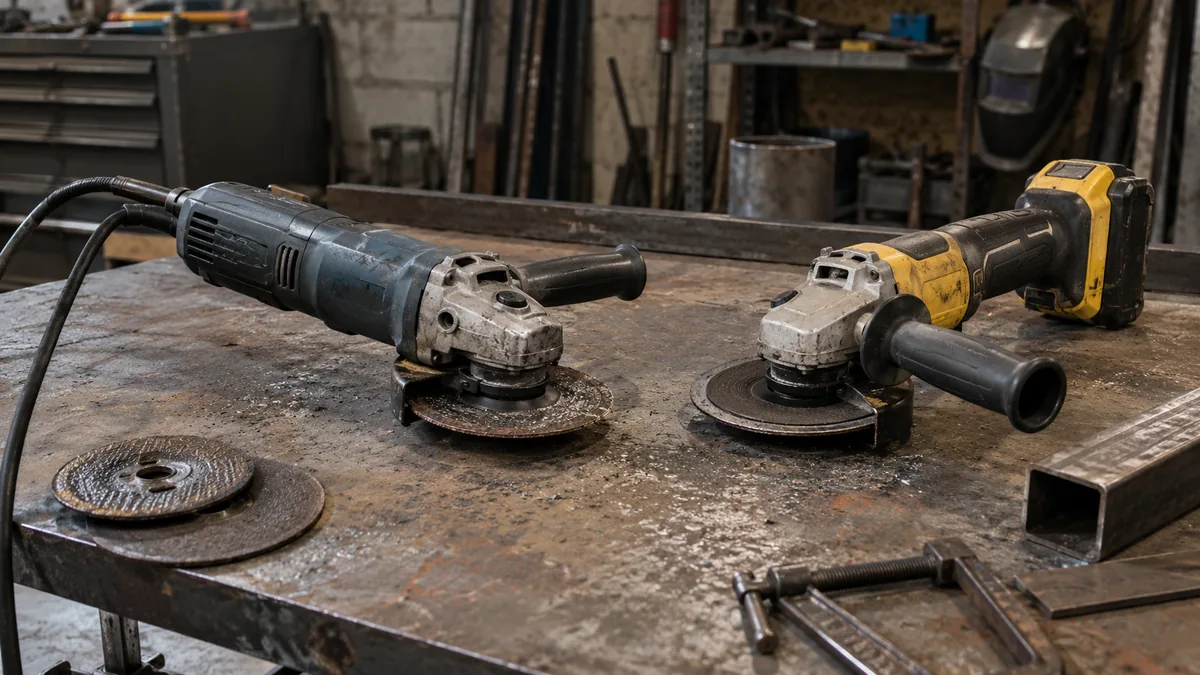 08
08A practical comparison of workflow, batteries, machine features and safety—not an invented test of two machines.
Read the story 09
09An acoustic monitoring project at Fraunhofer raises a practical question: what could welders learn from the sound of a robotic MAG arc?
Read the story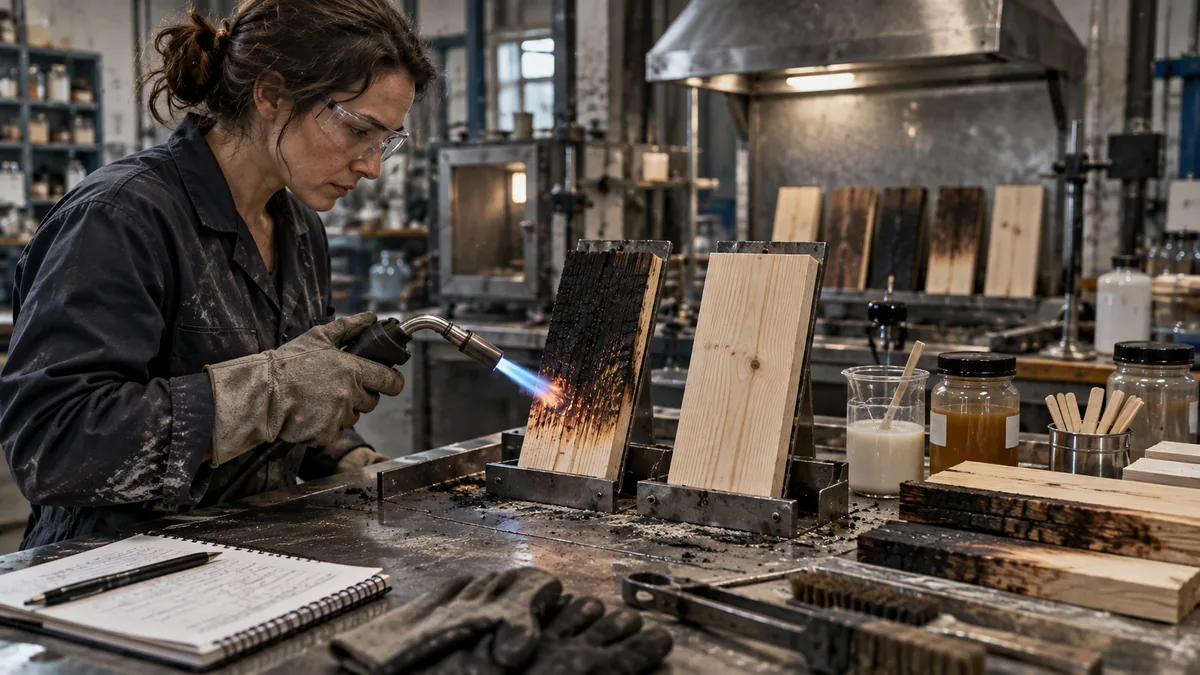 10
10Fraunhofer researchers are investigating a phosphorus-based material recovered from a by-product of starch production.
Read the story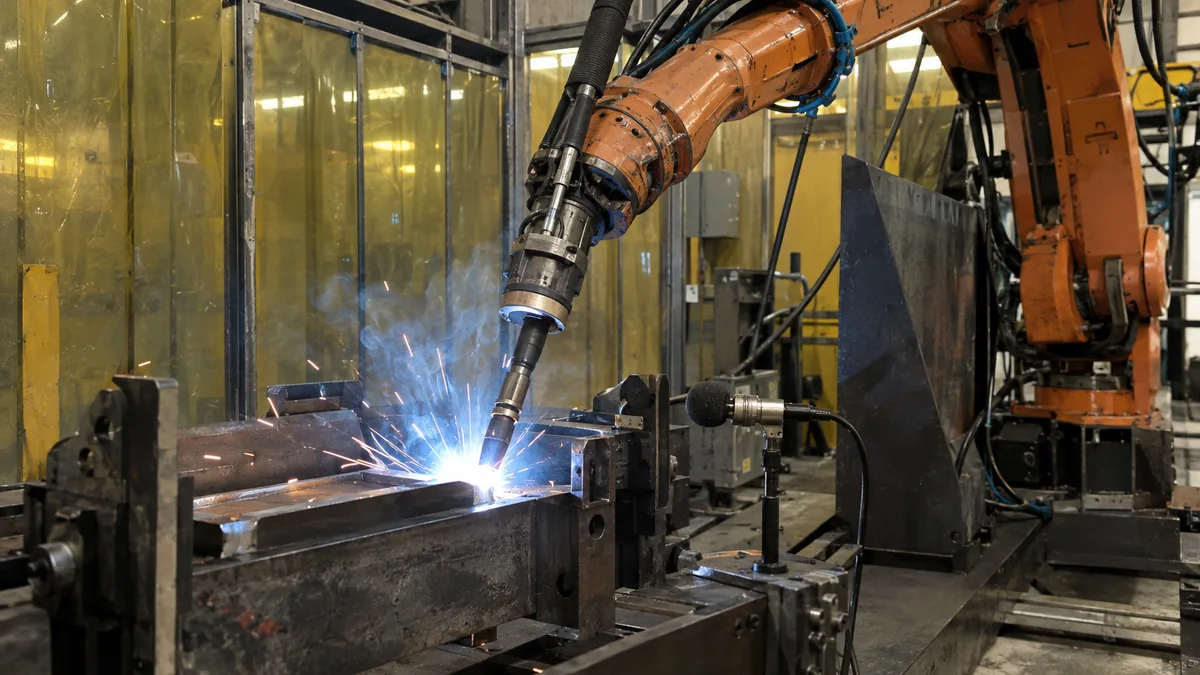 11
11New sensing systems are helping welding robots work with fit-up variation. Here is where that could matter—and where experience still counts.
Read the story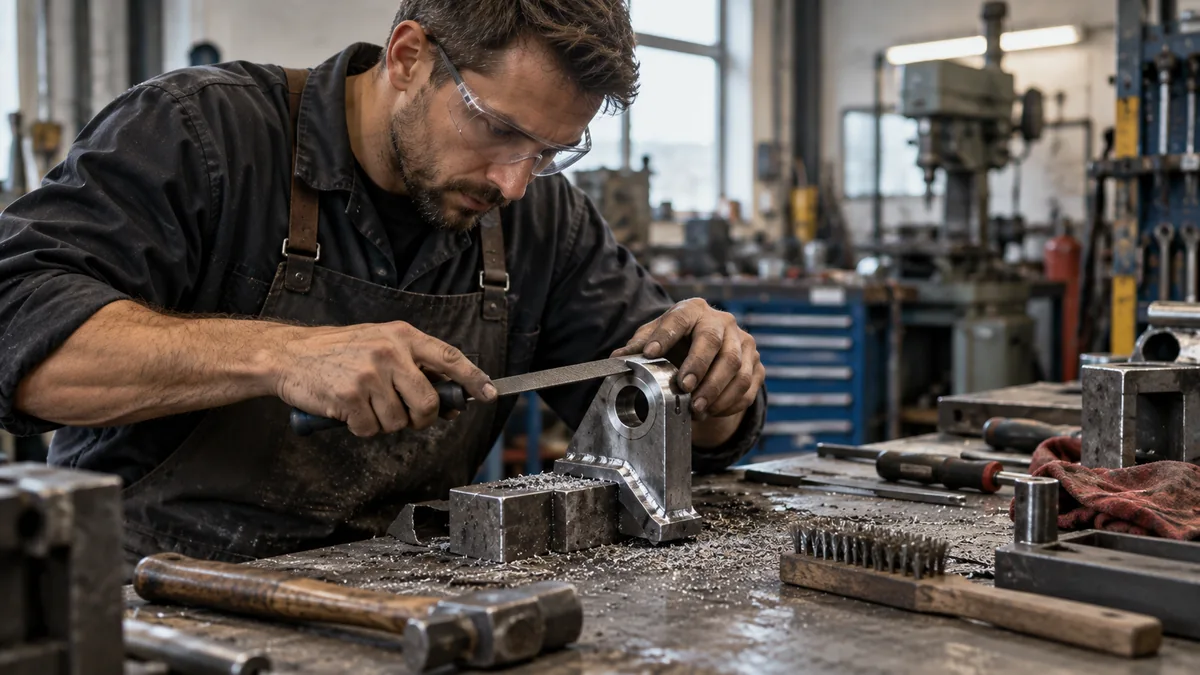 12
12AI and advanced equipment belong in the workshop. So do judgement, measurement and responsibility.
Read the story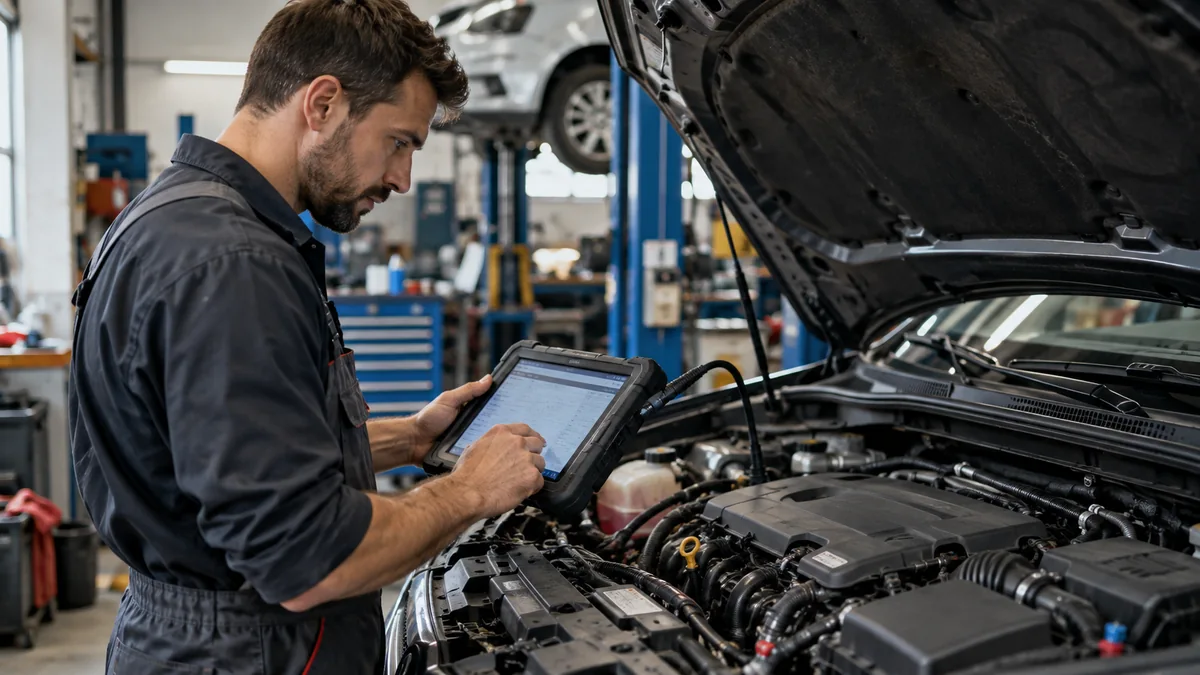 13
13What a diagnostic scan tells a mechanic—and why replacing the named sensor is not always the next step.
Read the story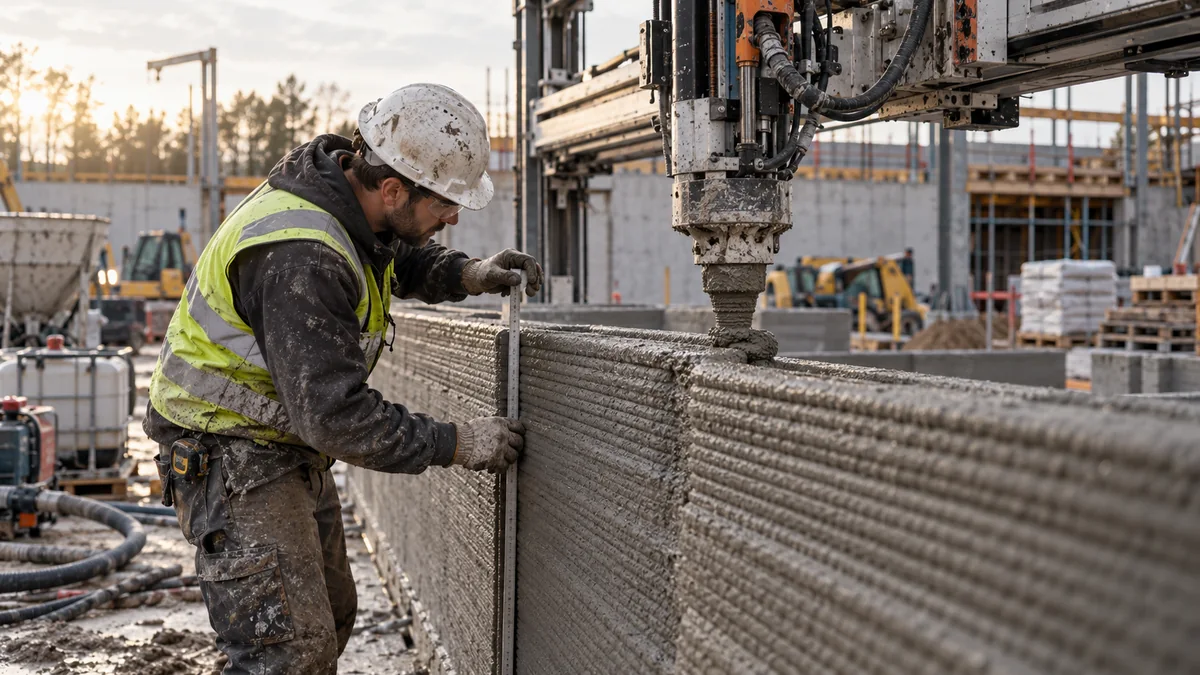 14
14Concrete printing is moving from impressive demonstrations toward the less glamorous work of measurement and standards.
Read the storyThere is no universal “best” grinder or rotary hammer. We explain what to compare and why it matters, using published specifications and documented safety information.
See all tool guides ↗Skill, judgement, mistakes, second measurements and the knowledge built over years of work.
For the people who make the world work—and the intelligence behind the result.
Read the essay ↗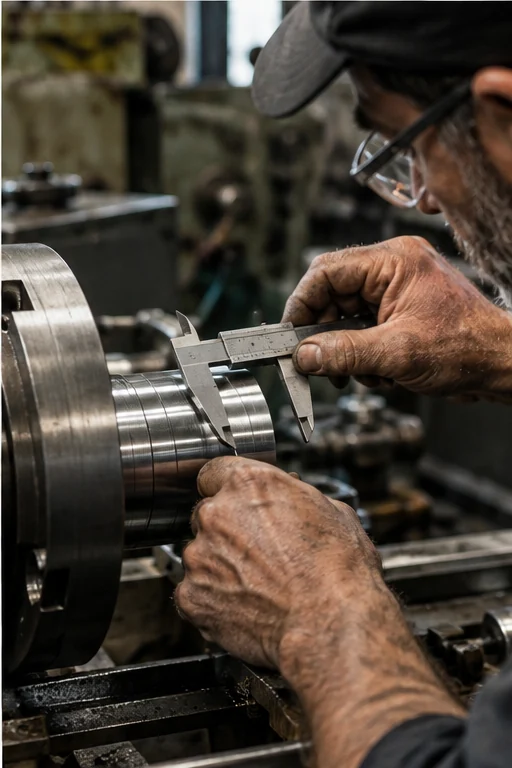
AI and better machines belong in the shop. So does human judgement.
Read the essay ↗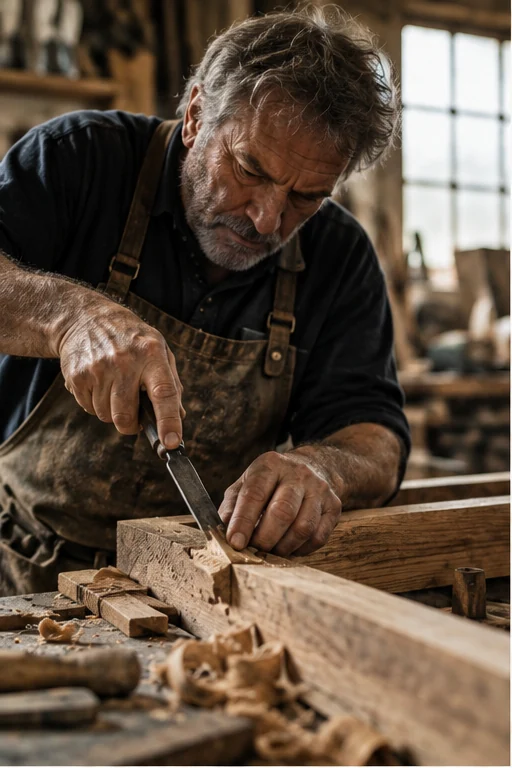
What happens before a repair finally fits and a machine runs again.
Read the essay ↗